Dry Needling
At Beaumaris Physio & Health, dry needling may be incorporated into your physiotherapy treatment when appropriate, alongside exercise, rehabilitation, manual therapy and advice tailored to your individual needs.
Our Beaumaris physiotherapists provide dry needling and physiotherapy for people from Beaumaris and surrounding Bayside Melbourne suburbs, including Black Rock, Sandringham, Highett, Cheltenham and Mentone.
book now
mission
Delivered by trained physiotherapists as part of a complete, individualised treatment and rehabilitation plan
What Is Dry Needling?
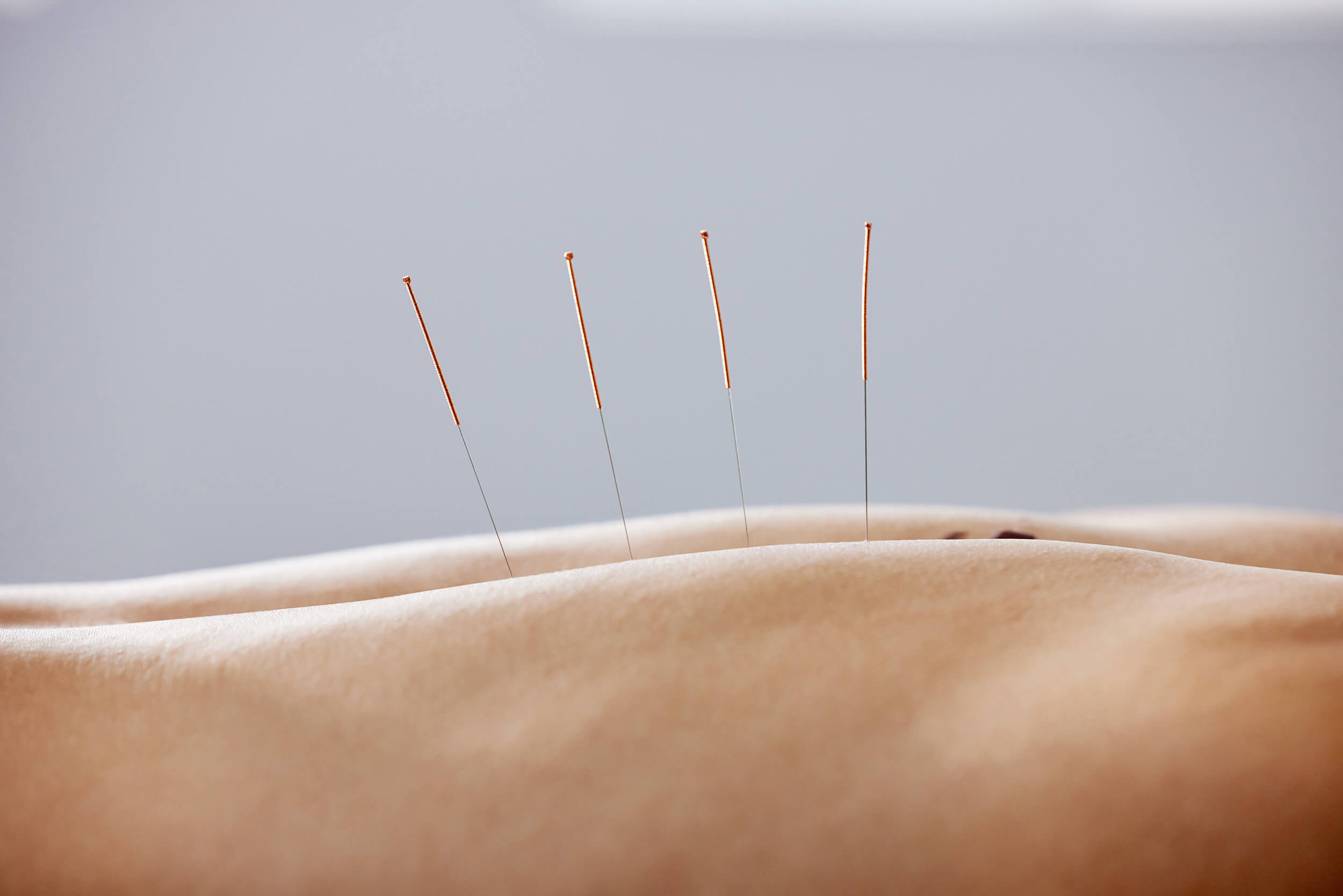
Dry needling involves inserting a fine, sterile, single-use needle into selected muscles or soft tissues as part of a physiotherapy treatment.
The term “dry” needling means that nothing is injected through the needle.
Physiotherapists may use dry needling to target areas of muscle tightness, tenderness or altered muscle function identified during an assessment.
Dry needling is not necessarily appropriate for every person or every condition. Your physiotherapist will first assess your symptoms and determine whether dry needling may be suitable as part of your treatment plan.
What Is Dry Needling Used For?
Dry needling may be incorporated into physiotherapy treatment for a range of musculoskeletal presentations where muscle pain, tightness or sensitivity is contributing to symptoms.
Depending on your individual assessment, dry needling may be considered as part of the management of:
- Neck pain and muscle tightness
- Back pain
- Shoulder pain
- Hip and gluteal pain
- Muscle tightness and soreness
- Sports-related muscular pain
- Calf and lower-limb muscle pain
- Musculoskeletal pain associated with muscle tension
- Some neck-related headache presentations
- Rehabilitation following certain musculoskeletal injuries
Dry needling is generally used as one component of treatment rather than being relied upon as the sole treatment for an injury or condition.
difference
Combined with assessment and hands-on treatment
How Does Dry Needling Work?
Dry needling uses a fine needle to stimulate selected muscle and soft tissue areas identified during your physiotherapy assessment.
Some people may experience a brief muscle twitch, ache or cramping sensation during treatment, while others may feel very little.
Your physiotherapist will determine where and whether dry needling is appropriate based on your symptoms, physical assessment and treatment goals.
Where appropriate, dry needling can then be combined with other physiotherapy treatments and exercise rehabilitation to address the broader factors contributing to your condition.
What Is the Difference Between Dry Needling and Acupuncture?
Dry needling and acupuncture both use fine needles, but they are based on different clinical approaches.
Dry needling within physiotherapy is used from a musculoskeletal perspective and is generally directed towards muscles and soft tissues identified during a physiotherapy assessment.
Acupuncture has its origins in Traditional Chinese Medicine and may be practised according to different principles and treatment frameworks.
At Beaumaris Physio & Health, dry needling is used as a physiotherapy treatment technique where it is considered appropriate for your individual musculoskeletal presentation.
What Does Dry Needling Feel Like?
People can experience dry needling differently.
The insertion of the fine needle may cause very little sensation. When a muscle is stimulated, you may experience a brief twitch, ache or cramping sensation.
Some people experience temporary muscle soreness following treatment, similar to the feeling after exercise.
Your physiotherapist will explain the procedure before treatment and discuss what you may experience during and after your session.
Is Dry Needling Safe?
Dry needling should be performed by an appropriately trained health professional who understands anatomy, appropriate needling techniques and relevant precautions.
At Beaumaris Physio & Health, sterile single-use needles are used for dry needling.
Before treatment, your physiotherapist will consider your medical history and any factors that may make dry needling inappropriate or require additional precautions.
Your physiotherapist will discuss the treatment with you beforehand, and dry needling will only be performed with your consent.
Dry Needling as Part of Physiotherapy
At Beaumaris Physio & Health, we do not view dry needling as a stand-alone solution for every painful condition.
Your physiotherapist will first assess your symptoms and identify factors that may be contributing to your problem.
When appropriate, dry needling may form one component of a broader treatment and rehabilitation program that could also include:
- Exercise rehabilitation
- Strengthening
- Mobility exercises
- Manual therapy
- Advice and education
- Activity modification
- Progressive return to exercise or sport
- A personalised home exercise program
This approach allows treatment to address not only your current symptoms but also your movement, strength and physical capacity where relevant.
Dry Needling in Beaumaris & Bayside Melbourne
Beaumaris Physio & Health provides dry needling as part of physiotherapy treatment at our clinic in Beaumaris.
Our physiotherapists treat a wide range of musculoskeletal conditions and can determine whether dry needling may be appropriate as part of your treatment.
We see patients from Beaumaris and surrounding Bayside Melbourne suburbs, including Black Rock, Sandringham, Highett, Cheltenham and Mentone.
If you are experiencing muscle pain, tightness or a musculoskeletal injury, a physiotherapy assessment can help identify the factors contributing to your symptoms and determine an appropriate treatment and rehabilitation plan.
more information
Frequently Asked Questions About Dry Needling
What is dry needling?
Dry needling is a treatment technique in which a trained health professional inserts a fine, sterile needle into selected muscles or soft tissues. Physiotherapists may use dry needling as one component of treatment for certain musculoskeletal conditions.
Does dry needling hurt?
The sensation varies between people. You may feel very little when the needle is inserted, although stimulating a muscle can sometimes produce a brief twitch, ache or cramping sensation. Some temporary muscle soreness may also occur following treatment.
What is the difference between dry needling and acupuncture?
Both techniques use fine needles, but dry needling within physiotherapy is based on a musculoskeletal assessment and generally targets muscles and soft tissues relevant to a person’s presentation. Acupuncture has its origins in Traditional Chinese Medicine and may use different assessment and treatment principles.
How many dry needling sessions will I need?
There is no set number of dry needling sessions that is appropriate for everyone. This will depend on your condition, symptoms, response to treatment and rehabilitation goals.
Your physiotherapist will assess your condition and determine whether dry needling is appropriate and whether it should form part of your ongoing treatment plan.
Where can I get dry needling in Beaumaris?
Beaumaris Physio & Health provides dry needling as part of physiotherapy treatment at our Beaumaris clinic.
We treat people from Beaumaris and surrounding Bayside suburbs including Black Rock, Sandringham, Highett, Cheltenham and Mentone. Your physiotherapist can assess your condition and determine whether dry needling may be appropriate as part of your treatment and rehabilitation.
Book a Dry Needling & Physiotherapy Appointment
If you are experiencing muscle pain, tightness or a musculoskeletal injury, book an appointment with Beaumaris Physio & Health.
Our physiotherapists can assess your condition, discuss your treatment options and determine whether dry needling may be appropriate as part of your individual physiotherapy and rehabilitation program.