Women’s Health Physiotherapy
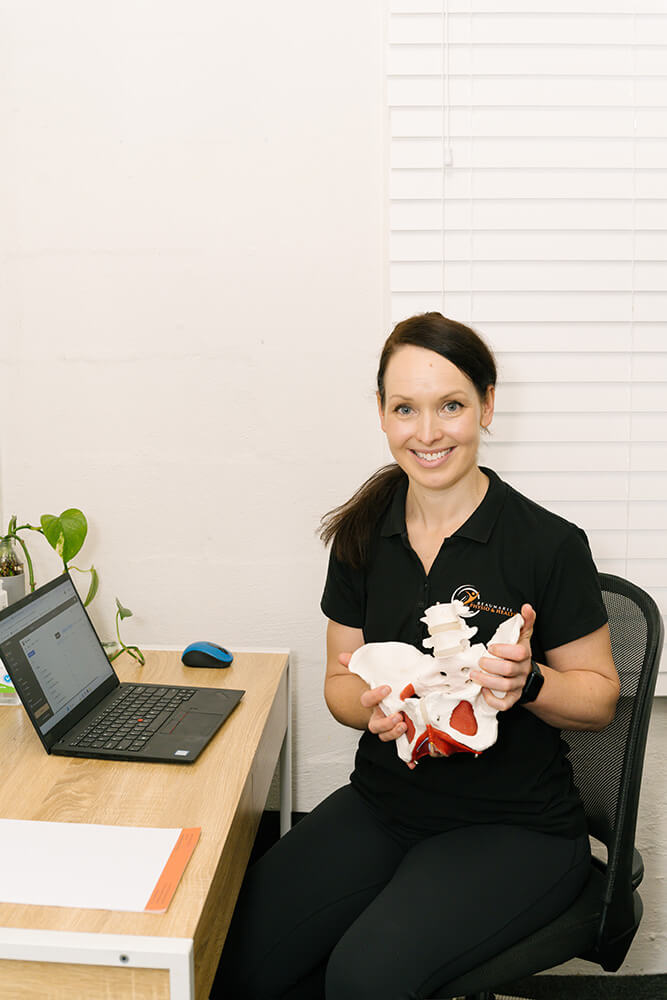
Our postgraduate-qualified Women’s Health Physiotherapists provide individual assessment, treatment and exercise rehabilitation for pelvic floor conditions, pregnancy and postnatal concerns and other women’s health conditions.
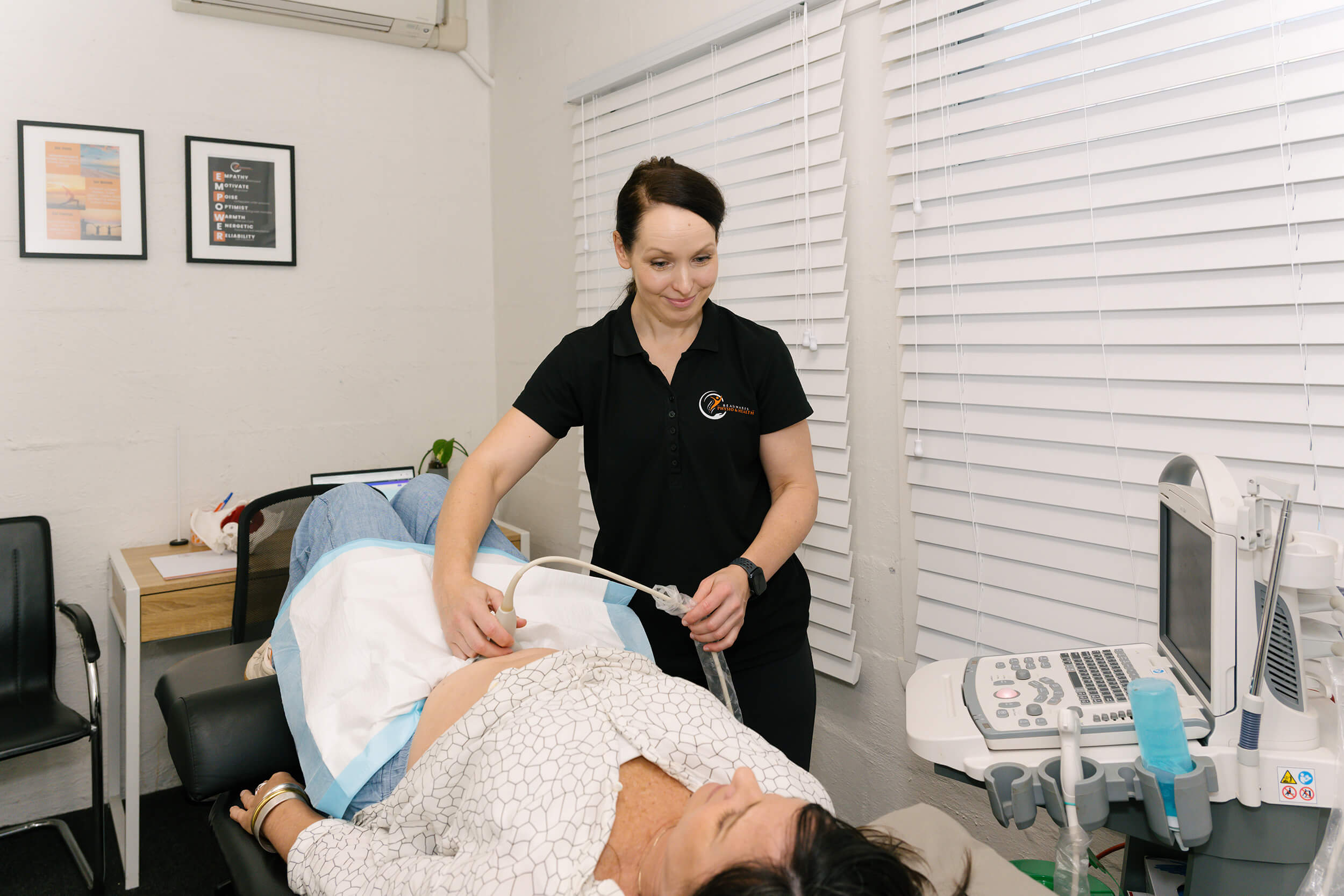
We also use real-time ultrasound where appropriate to assist with assessment, education and exercise rehabilitation.
Located in Beaumaris, we provide Women’s Health Physiotherapy for women throughout Bayside Melbourne, including Beaumaris, Black Rock, Sandringham, Highett, Cheltenham, Mentone and surrounding suburbs.
mission
Specialised Women’s Health Physiotherapy with postgraduate-qualified physios supporting you through pelvic floor concerns, pregnancy, post natal recovery and return to exercise
Women’s Health Physiotherapy at Beaumaris Physio & Health
Women’s Health Physiotherapy is an area of physiotherapy focused on conditions that can affect women during pregnancy, following childbirth and at other stages of life.
Our approach starts with an individual assessment to understand your symptoms, physical function and personal goals.
Depending on your needs, treatment may include pelvic floor rehabilitation, education, exercise prescription, hands-on physiotherapy where appropriate, real-time ultrasound and progressive strength and exercise rehabilitation.
Our aim is to provide individualised care that helps you understand your condition and feel confident with your treatment, exercise and recovery.
What Women’s Health Conditions Do We Treat?
- Pelvic floor dysfunction
- Bladder leakage & urinary incontinence
- Pelvic organ prolapse
- Pelvic girdle pain during pregnancy
- Abdominal separation (diastasis recti)
- Pregnancy-related musculoskeletal pain
- Postnatal rehabilitation
- Mastitis and breastfeeding-related breast symptoms
- Returning to exercise after pregnancy and childbirth
We also provide pre- and postnatal physiotherapy and individual exercise programs during and after pregnancy.
Pelvic Floor Physiotherapy
Pelvic floor physiotherapy involves specialised assessment and rehabilitation of the pelvic floor muscles and related symptoms.
Changes in pelvic floor function can occur during pregnancy, following childbirth and at other stages of life.
Depending on your individual assessment, management may include pelvic floor muscle rehabilitation, bladder and bowel education, exercise advice, self-management strategies and guidance around returning to physical activity.
Rather than providing the same pelvic floor exercises to everyone, your program is developed according to your individual assessment and needs.
Pregnancy & Postnatal Physiotherapy
Pregnancy and childbirth place changing demands on the body.
Our Women’s Health Physiotherapists can provide individual assessment, treatment and exercise advice throughout pregnancy and during your postnatal recovery.
We can assist with concerns including pelvic girdle pain, pelvic floor function, abdominal separation and pregnancy-related musculoskeletal symptoms, as well as helping you prepare for a progressive return to exercise following childbirth.
Your exercise program can be adapted as your pregnancy or recovery progresses.
Pelvic Organ Prolapse
Pelvic organ prolapse can cause symptoms such as pelvic heaviness or dragging, vaginal pressure or a sensation of a bulge.
Pelvic floor physiotherapy can form part of the conservative management of pelvic organ prolapse.
Our Women’s Health Physiotherapists can assess your pelvic floor function and provide individual rehabilitation, education and advice around exercise and everyday activities.
Real-Time Ultrasound
Beaumaris Physio & Health has access to real-time ultrasound imaging as part of our Women’s Health Physiotherapy service.
Where appropriate, real-time ultrasound can allow you and your physiotherapist to observe certain muscles working during assessment and exercise.
This can provide useful visual feedback during pelvic floor or abdominal rehabilitation and help you better understand muscle activation and control.
Your physiotherapist will determine whether real-time ultrasound is appropriate for your individual needs.
Exercise Rehabilitation & Returning to Exercise
Our approach extends beyond early-stage treatment and pelvic floor exercises. As appropriate, we can progressively rebuild your strength and physical capacity to help you return to the activities that are important to you.
- Pilates Reformers
- Trapeze Tables
- Ladder Barrels
- Free weights
- Squat racks
- Strength and rehabilitation equipment
This allows your rehabilitation to progress from early pelvic floor, pregnancy or postnatal exercise through to more challenging strength training where appropriate. Whether your goal is returning to walking, Pilates, running, gym training or another activity, your program can be progressed according to your individual recovery and goals.
difference
Combining specialised assessment with real-time ultrasound and progressive exercise rehabilitation for truly individualised care
Why Choose Beaumaris Physio & Health for Women’s Health Physiotherapy?
Our Women’s Health service combines postgraduate-qualified Women’s Health Physiotherapists, real-time ultrasound and progressive exercise rehabilitation.
We provide individualised care in a supportive clinical environment and aim to help you understand your condition rather than simply giving you a generic exercise program.
With access to both specialised physiotherapy and a fully equipped rehabilitation facility, your program can progress as your needs change.
Women’s Health Physiotherapy in Beaumaris & Bayside Melbourne
Beaumaris Physio & Health provides specialised Women’s Health and Pelvic Floor Physiotherapy from our clinic in Beaumaris.
We see women from Beaumaris and surrounding Bayside Melbourne suburbs, including Black Rock, Sandringham, Highett, Cheltenham, Mentone and surrounding areas.
Whether you are experiencing pelvic floor symptoms, pregnancy or postnatal concerns or would like professional guidance about returning to exercise, our Women’s Health Physiotherapists can develop an individual treatment and rehabilitation plan based on your needs.
more information
Frequently Asked Questions About Women’s Health Physiotherapy
What does a Women’s Health Physiotherapist treat?
A Women’s Health Physiotherapist provides specialised assessment and treatment for a range of conditions and concerns that can occur during pregnancy, following childbirth and at other stages of life.
This may include pelvic floor concerns, pregnancy-related pelvic girdle pain, abdominal separation, pre- and postnatal rehabilitation, returning to exercise and other women’s health conditions.
At Beaumaris Physio & Health, our Women’s Health service is provided by physiotherapists with postgraduate qualifications in Women’s Health Physiotherapy.
What is pelvic floor physiotherapy?
Pelvic floor physiotherapy involves assessing pelvic floor function and developing an individual management and rehabilitation program based on your needs.
Depending on your assessment, treatment may include pelvic floor muscle training, exercise rehabilitation, bladder or bowel education, advice about returning to exercise and real-time ultrasound where appropriate.
Pelvic floor rehabilitation is tailored to the individual rather than simply giving everyone the same exercises.
What is real-time ultrasound and how is it used in Women’s Health Physiotherapy?
Real-time ultrasound allows your physiotherapist to observe certain muscles working during assessment and exercise.
Where appropriate, it can provide visual feedback and help you better understand and practise muscle activation and control during pelvic floor or abdominal rehabilitation.
Your physiotherapist will determine whether real-time ultrasound would be useful as part of your individual treatment.
Can physiotherapy help with pelvic girdle pain during pregnancy?
Physiotherapy may help women experiencing pregnancy-related pelvic girdle pain.
Treatment is based on your individual assessment and may include education, movement and activity advice, appropriate strengthening and mobility exercises, and strategies to help you remain active throughout pregnancy.
Your physiotherapist can also help you modify your exercise program as your pregnancy progresses.
Can a Women’s Health Physiotherapist help with abdominal separation after pregnancy?
Yes. A Women’s Health Physiotherapist can assess abdominal separation, also known as rectus diastasis or diastasis recti, together with your abdominal muscle function, strength and movement.
An individual rehabilitation program can then be developed to improve abdominal function and progressively prepare you for everyday activities and exercise.
Depending on your goals, this may include preparing to return to Pilates, gym-based strength training, running or other forms of physical activity.
Real-time ultrasound may also be used where appropriate as part of your assessment and rehabilitation.

Book a Women’s Health Physiotherapy Appointment in Beaumaris
Whether you are experiencing pelvic floor symptoms, pregnancy-related pelvic girdle pain, abdominal separation, postnatal concerns or would like guidance about exercising during or after pregnancy, our postgraduate-qualified Women’s Health Physiotherapists can provide an individual assessment and rehabilitation plan.
Contact Beaumaris Physio & Health to book a Women’s Health Physiotherapy appointment at our Beaumaris clinic.