
Temporomandibular Dysfunction / Jaw pain
Temporomandibular dysfunction (TMD) refers to pain or problems with the jaw and surrounding muscles of the face.
Dysfunction in this area can affect many simple daily tasks such as speech and eating. Commonly TMD is referred to as TMJ which means the temporomandibular joint.

difference
Unique selling point/point of difference goes here
Symptoms of TMD
- Pain around the jaw, face, ear and neck region.
- Pain or difficulty with functions of the jaw such as chewing, eating, biting and speaking.
- Clicking of the jaw with opening or closing. Clicking does not have to be a sign of dysfunction but can be an indicator along with other signs or symptoms.
- Difficulty or an inability to open or close the mouth.
- Headache.
Causes of TMD
- Clenching or grinding of teeth.
- Poor muscle control or biomechanics of the jaw.
- Trauma to the face or head area.
- Arthritic conditions.
- Problems with the biting surfaces of teeth or dental issues.
- Stress or anxiety.
difference
Unique selling point/point of difference goes here
Physiotherapy Management
Management of temporomandibular joint disorder is not unlike management of other parts of the body.
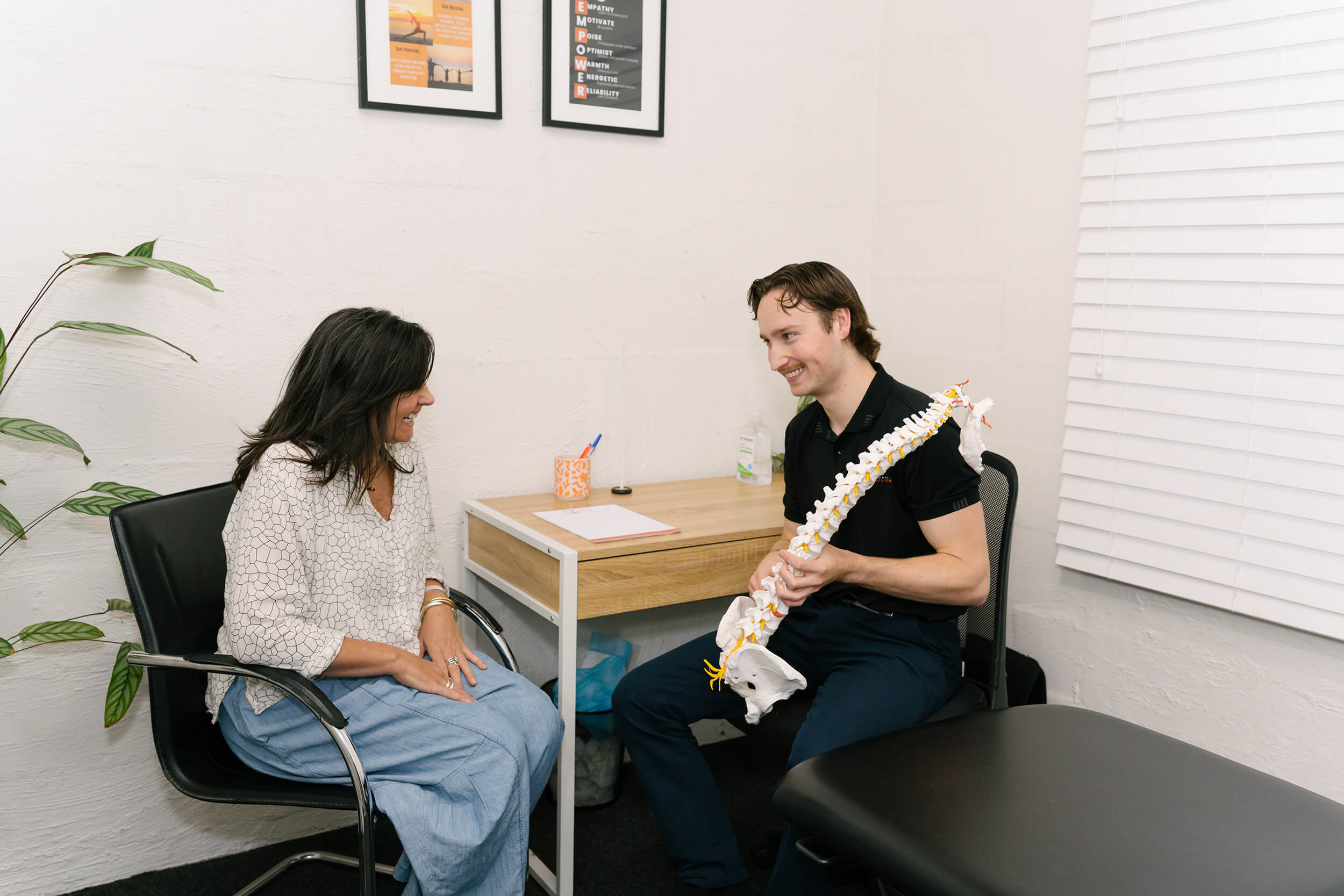
Management requires a thorough assessment to discover the cause of the pain. This involves taking a patient history, and assessing the mechanics of the jaw, face and neck. A treatment plan can then be devised. Treatment can consist of any of the following:
- Manual therapy to improve joint mobility of the jaw, neck and upper back.
- Massage the muscles of the jaw, face and neck.
- Ultrasound.
- Ice or heat therapy.
- Exercises are particularly important and are designed to improve control of the jaw.
- Posture and ergonomic advice.
- Behaviour changes to minimise strain onto the joint.
more information
Frequently asked questions about our TMJ Services.
What does a physiotherapist treat?
Physiotherapists assess and treat a wide range of conditions affecting movement and physical function.
At Beaumaris Physio & Health, this includes back and neck pain, headaches, sports injuries, shoulder, hip and knee conditions, muscle and tendon injuries, osteoarthritis, post-operative rehabilitation and other musculoskeletal conditions.
Do I need a referral to see a physiotherapist?
In most cases, you can make an appointment with a physiotherapist
without a referral from your GP.
There are some circumstances where a referral or other documentation may
be required, depending on how your treatment is being funded or managed.
Contact our team if you are unsure about the requirements for your
appointment.
What should I expect at my first physiotherapy appointment?
Your first appointment generally involves discussing your symptoms, relevant history and goals, followed by a physical assessment appropriate for your condition.
Your physiotherapist will explain their findings and discuss a treatment and rehabilitation plan with you. Where appropriate, treatment can also begin during your first appointment.
What treatments do physiotherapists use?
Physiotherapy treatment depends on your condition and individual assessment.
At Beaumaris Physio & Health, treatment may include manual therapy, exercise rehabilitation, strength training, Clinical Pilates, dry needling, mobility exercises, education and a personalised home exercise program.
The treatment approach and exercises can be modified and progressed as your condition and physical capacity improve.
What suburbs does Beaumaris Physio & Health service?
Beaumaris Physio & Health is located in Beaumaris and provides physiotherapy for people throughout Bayside and surrounding south-eastern Melbourne suburbs.
We regularly see patients from Beaumaris, Black Rock, Sandringham, Highett, Cheltenham, Mentone and surrounding areas.
We also offer home visit physiotherapy in selected surrounding suburbs for people who may have difficulty attending the clinic.
Headline goes here if required same size as heading one.
Sub-headline goes here if required, same size as paragraph text. Sub-headline goes here if required.